Heavy industries face mounting pressure to improve sustainability performance while maintaining operational efficiency, regulatory compliance, and workforce safety. Yet many organizations continue to rely on fragmented systems that separate ESG reporting, health and safety management, occupational health, and workforce operations.
As sustainability becomes a strategic business function, companies are seeking integrated technology ecosystems capable of connecting these traditionally isolated areas. At the same time, mergers and acquisitions (M&A) are reshaping the sustainability software market, enabling faster innovation and broader solution portfolios.
Rather than developing every capability internally, leading software groups are acquiring specialized providers and combining their expertise into scalable ecosystems. This approach is helping industrial organizations accelerate digital sustainability initiatives while reducing complexity and improving long-term technology stability.
In this article, we explore how M&A is driving digital sustainability across heavy industries and how platform-based ecosystems are helping organizations connect ESG, HSE, workforce, and operational performance.
Why Heavy Industries Need More Than Standalone Sustainability Tools
Industrial organizations generate large volumes of sustainability-related data across multiple business functions.
Environmental teams monitor emissions and resource consumption. Safety teams manage incidents and risk assessments. Occupational health departments track workforce wellbeing. Operations teams focus on productivity and compliance.
When these activities are managed through disconnected systems, organizations often face:
- Data silos
- Duplicate processes
- Inconsistent reporting
- Limited visibility into risks
- Increased compliance complexity
According to the International Energy Agency (IEA), digital technologies are becoming critical enablers of industrial decarbonization and operational efficiency, particularly in energy-intensive sectors.
The challenge is no longer simply collecting sustainability data. It is creating a connected framework that transforms information into actionable insights across the organization.
What Is Digital Sustainability in Heavy Industry?
Digital sustainability is the use of technology, data, and integrated business processes to improve environmental performance, workforce wellbeing, compliance, and operational efficiency.
In industrial environments, digital sustainability typically involves:
- ESG management and reporting
- Health and safety management
- Occupational health programs
- Workforce logistics and planning
- Risk and compliance management
- Operational performance monitoring
The most successful initiatives connect these functions rather than managing them independently.
Why M&A Has Become a Catalyst for Sustainability Innovation
Building Ecosystems Faster Than Organic Development
Developing a comprehensive sustainability platform from scratch can take years.
Acquisition strategies allow software groups to combine proven technologies, industry expertise, and established customer relationships much faster than internal development alone.
This creates a significant advantage for industrial customers who need immediate access to mature capabilities rather than waiting for future product roadmaps.
Recent sustainability software market analyses indicate that customers increasingly value integrated solutions capable of supporting multiple sustainability functions through a common technology framework.
Preserving Specialized Expertise
One of the most important advantages of sustainability-focused acquisitions is the ability to preserve domain expertise.
Industrial organizations often require highly specialized solutions tailored to specific operational challenges.
A mining company’s safety requirements differ significantly from those of a manufacturing facility or energy producer.
Acquisition-led ecosystems allow specialized products to continue evolving while benefiting from shared resources, investment capacity, and broader market reach.
Creating Long-Term Platform Stability
Technology decisions in heavy industry are long-term investments.
Organizations need confidence that software providers will continue investing in product development, security, regulatory updates, and customer support.
M&A can strengthen this stability by providing acquired companies with access to larger operational networks and long-term growth strategies.
Why Does Platform Consolidation Matter for ESG and HSE Management?
Traditional software procurement often forces organizations to choose between specialization and integration.
This trade-off is becoming increasingly unnecessary.
Modern sustainability ecosystems can combine specialized solutions while creating stronger interoperability across business functions.
For example:
- ESG teams require reliable sustainability data.
- HSE teams need visibility into risks and incidents.
- Occupational health teams need workforce health insights.
- Operations leaders need performance and compliance metrics.
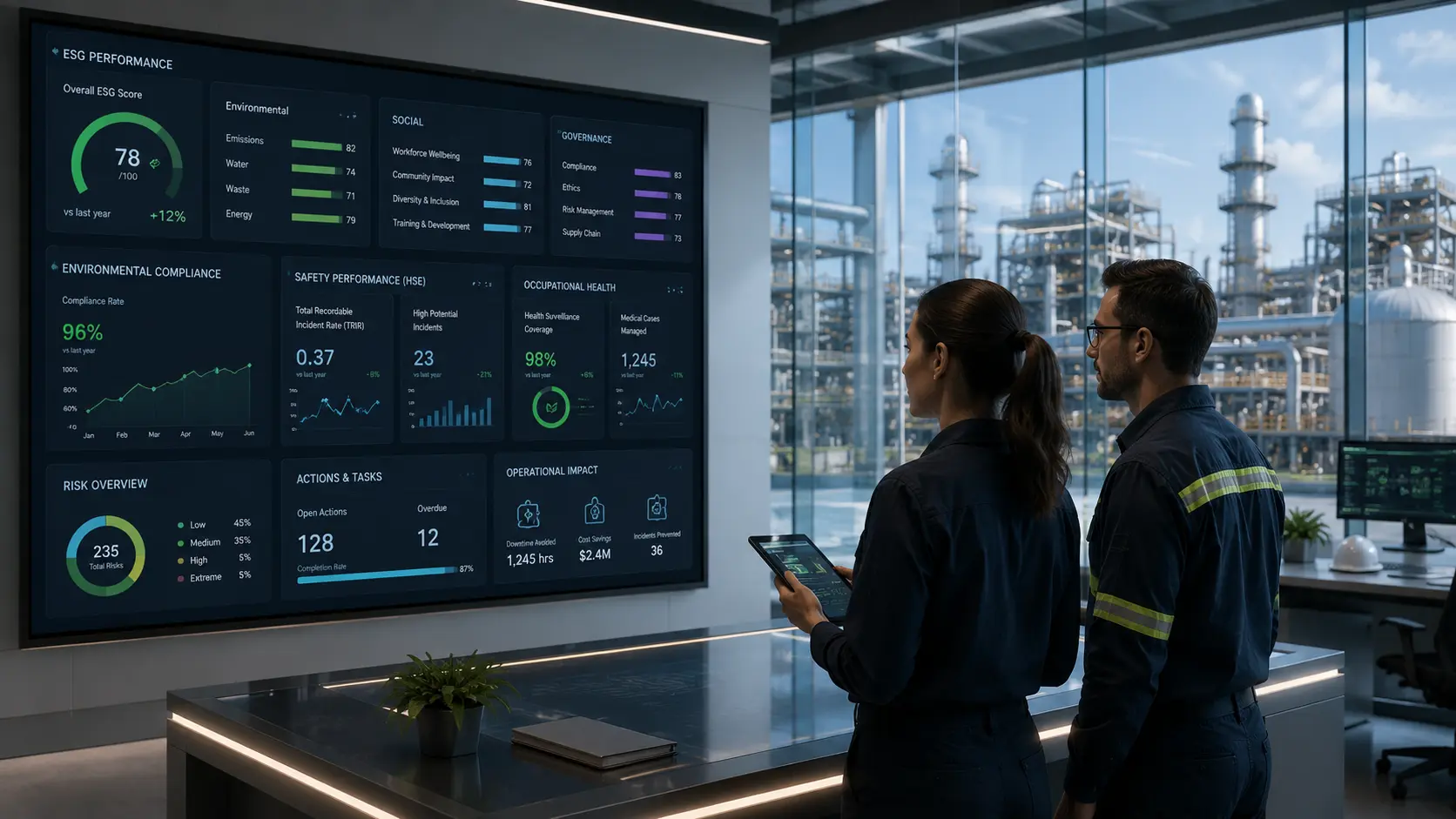
Connecting these functions creates a more complete picture of organizational performance.
This is particularly important as reporting requirements continue evolving through frameworks such as the Global Reporting Initiative (GRI) and the International Sustainability Standards Board (ISSB).
The VST Approach: Combining Specialized Solutions Into a Scalable Ecosystem
The evolution of digital sustainability platforms can be seen in the growth strategy of Vela Sustainability Technologies (VST).
Rather than building a single monolithic application, VST has developed an ecosystem of specialized sustainability software companies focused on helping industrial organizations improve ESG performance, safety, compliance, workforce management, and operational efficiency. Learn more about VST’s sustainability software ecosystem at https://velasustainability.com/.
This acquisition-led approach enables organizations to access deep domain expertise while benefiting from the stability and innovation capacity of a broader platform.
Within the VST ecosystem, solutions address complementary areas of industrial sustainability:
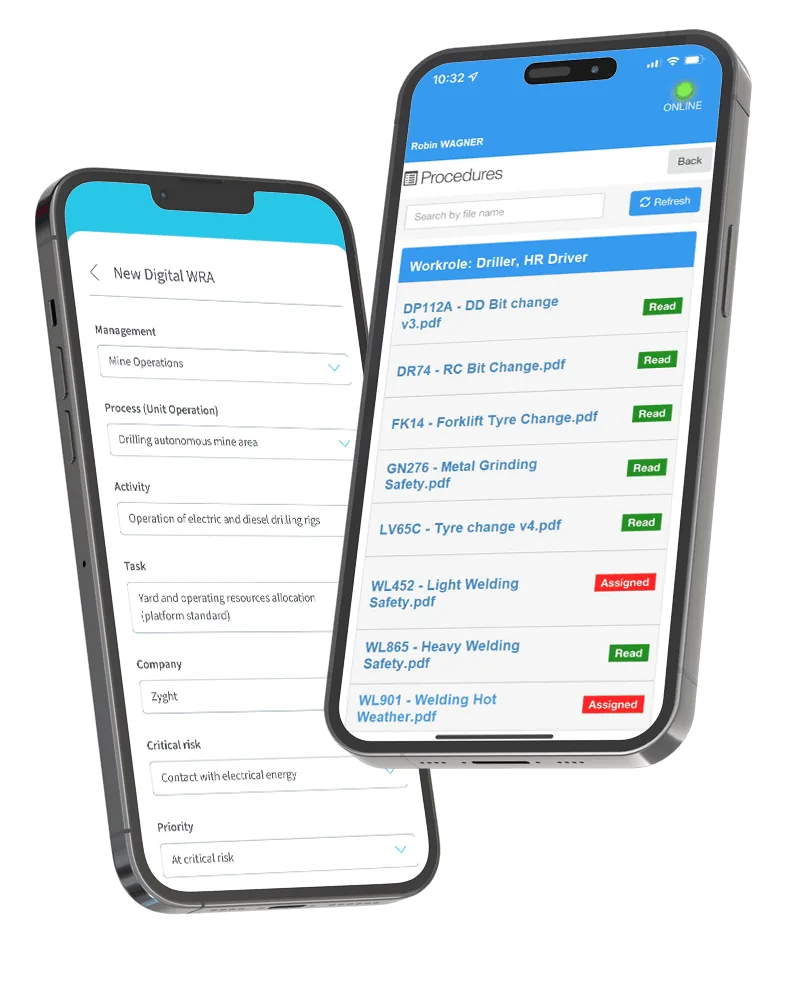
- iSystain supports ESG management, sustainability reporting, regulatory compliance tracking, and action management. More information is available at https://solutions.velasustainability.com/isystain
- Nexo CS focuses on occupational health and safety management, risk management, workforce productivity, and regulatory compliance. Explore the platform at https://solutions.velasustainability.com/nexo-cs
Together, these capabilities illustrate how sustainability software ecosystems can support both strategic and operational priorities.
An ESG team may rely on iSystain to manage sustainability disclosures and performance metrics, while operational teams use Nexo CS to strengthen workplace safety and occupational health processes.
The result is a more connected sustainability strategy supported by specialized technologies rather than disconnected systems.
How Industrial Organizations Can Accelerate Digital Sustainability
Integrate ESG and Operational Data
Sustainability initiatives become more valuable when they are connected to operational decision-making.
Organizations should prioritize technologies capable of linking ESG, safety, workforce, and compliance data.
Standardize Processes Across Sites
Heavy industries often operate across multiple facilities, regions, and regulatory environments.
Digital platforms help establish consistent processes while maintaining local flexibility.
Improve Traceability and Audit Readiness
Regulatory expectations continue to increase globally.
Organizations should invest in systems that provide transparent records, workflow controls, and auditable data management.
Build for Future Growth
Technology decisions should support future sustainability requirements, not just current reporting needs.
Scalable ecosystems allow organizations to expand capabilities without creating new data silos.
FAQ
What is digital sustainability in heavy industry?
Digital sustainability uses technology and integrated data to improve ESG performance, safety, workforce wellbeing, compliance, and operational efficiency.
Why is M&A important in sustainability software?
M&A helps software providers combine specialized expertise, accelerate innovation, and deliver broader capabilities to customers more quickly.
How does platform consolidation benefit industrial companies?
Platform consolidation can reduce system fragmentation, improve data visibility, simplify compliance management, and strengthen long-term technology support.
What role does ESG software play in industrial sustainability?
ESG software helps organizations manage sustainability data, reporting requirements, regulatory obligations, and performance tracking.
How can integrated software ecosystems improve decision-making?
Integrated ecosystems connect data from multiple business functions, enabling more informed decisions across sustainability, safety, workforce, and operations.
Next step
Digital sustainability is no longer limited to reporting frameworks or isolated compliance programs. It has become a business-wide capability that depends on connected data, specialized expertise, and scalable technology.
As sustainability software markets continue to mature, acquisition-led ecosystems are helping industrial organizations accelerate transformation while reducing complexity. The ability to combine ESG, HSE, occupational health, and workforce capabilities within a connected platform is becoming a significant competitive advantage.
How prepared is your organization to manage sustainability through an integrated digital ecosystem rather than disconnected systems?
Explore how Vela Sustainability Technologies helps industrial companies connect sustainability, safety, workforce, and operational performance through specialized software solutions. Connect with our team at https://velasustainability.com/connect-with-us/