
Many industrial companies already collect vast amounts of ESG data, yet struggle to turn it into meaningful operational decisions. This gap between measurement and action limits the true value of sustainability initiatives.
ESG data to action is becoming a critical capability as organizations face increasing regulatory pressure, operational risks, and stakeholder expectations. Reporting alone is no longer enough. Leaders must use sustainability metrics to guide daily operations, reduce exposure to risk, and improve long-term performance.
This article explains how companies can move beyond ESG reporting and embed data into decision-making processes. It also outlines practical steps to transform sustainability metrics into actionable insights that support both compliance and operational excellence.
The real Problem: Why ESG Data Often Fails to Drive Action
Despite significant investments in ESG reporting, many organizations still operate with fragmented data systems. Environmental, health, safety, and governance metrics are often managed in silos, limiting visibility across operations.
According to the Global Reporting Initiative (GRI), effective sustainability reporting should support decision-making, not just disclosure (GlobalreportingGRI – Standards). However, in practice, data is frequently disconnected from operational workflows.
At the same time, regulatory complexity is increasing. Frameworks such as the Task Force on Climate-related Financial Disclosures (TCFD) (Fsb-tcfd: Task Force on Climate-Related Financial Disclosures) and evolving ISSB standards require more structured, auditable data.
This creates three core challenges:
- Lack of integration between ESG and operational systems
- Limited traceability of data across processes
- Delayed insights that reduce responsiveness
The result is clear: companies report on past performance but struggle to influence future outcomes.
What Does “ESG Data to Action” Mean?
ESG data to action is the process of transforming sustainability metrics into operational decisions that improve performance, reduce risk, and support strategy.
This involves moving from:
- Static reports → dynamic dashboards
- Historical data → predictive insights
- Compliance tracking → performance management
For example, in the mining industry, environmental monitoring data can inform operational adjustments to reduce emissions intensity. In manufacturing, safety indicators can guide targeted interventions to reduce incident likelihood.
The International Energy Agency (IEA) highlights that data-driven decision-making is essential to improve energy efficiency and reduce emissions in industrial sectors (Ieaiea.org/reports/energy-efficiency-2023).
Why ESG Data to Action Matters for Industrial Performance
Connecting Sustainability with Operational KPIs
ESG metrics become valuable when they are linked to core business indicators such as production efficiency, downtime, or workforce safety.
The International Organization for Standardization (ISO) emphasizes this integration in standards like ISO 14001, which promotes embedding environmental management into operational processes (ISO 14000 family — Environmental management).
Without this connection, ESG remains a parallel function rather than a driver of performance.
Improving Risk Management Through Data
Industrial operations face multiple risks, from environmental incidents to workplace safety hazards. ESG data can help identify patterns and enable earlier detection of potential issues.
The International Labour Organization (ILO) notes that data-driven safety management systems can help reduce workplace risks by improving hazard identification and response (Ilo: Safety and health at work).
When ESG data is operationalized, risk management becomes proactive rather than reactive.
Why Does ESG Data to Action Remain a Challenge in Industry?
Many organizations still rely on manual processes and disconnected tools. This limits scalability and reduces confidence in data quality.
Additionally, sustainability teams often lack direct integration with operations, making it difficult to influence day-to-day decisions.
The United Nations Environment Programme (UNEP) highlights that digitalization is a key enabler for aligning environmental data with operational practices (Unepunep.org/resources/report/digital-transformation-and-environmental-sustainability).
Without digital integration, ESG insights remain underutilized.
The Role of VST in Turning ESG Data into Action
Turning ESG data into operational decisions is not just a reporting challenge—it is a systemic issue that requires integration across systems, teams, and processes.
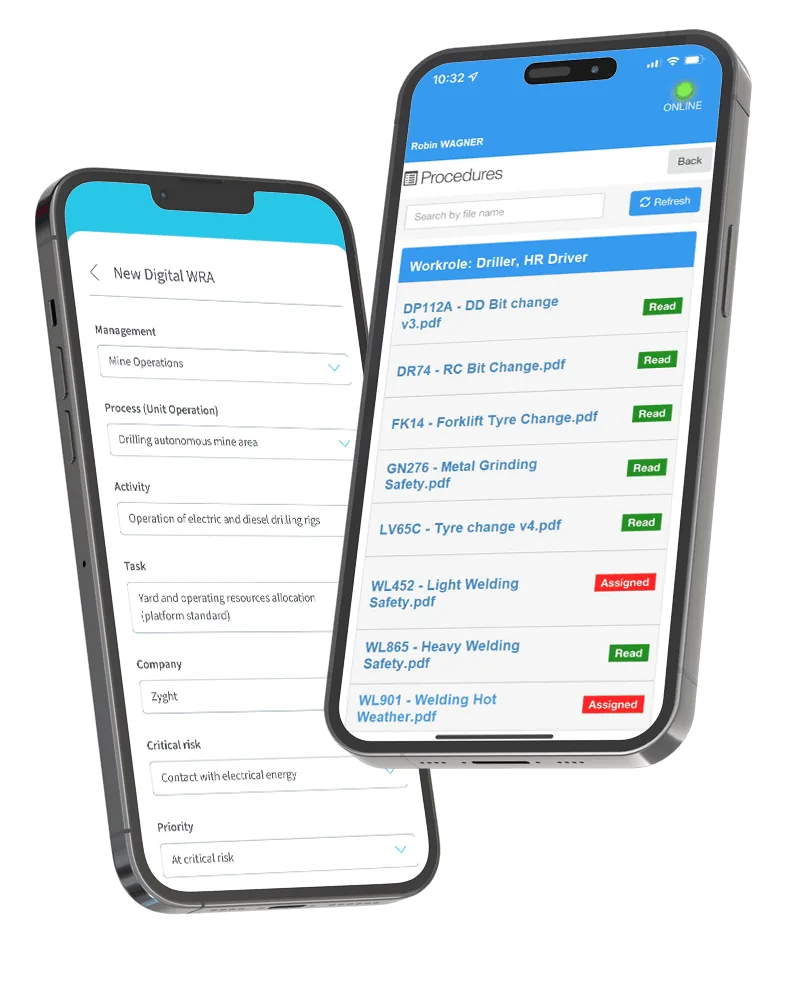
Vela Sustainability Technologies (VST) addresses this by providing an ecosystem of specialized software solutions that connect ESG, HSE, and operational data into a unified framework. This enables organizations to move from fragmented information to structured, actionable insights.
Through this integrated approach, companies can:
- Align sustainability metrics with operational workflows
- Improve traceability and auditability
- Enable data-informed decision-making across the organization
Within this ecosystem, plays a key role in enabling ESG data to action.
iSystain supports both reporting and execution by combining:
- Sustainability reporting
- Action management workflows
- Regulatory compliance tracking
- Advanced analytics
This allows organizations not only to measure performance but also to assign responsibilities, track progress, and ensure follow-through on sustainability initiatives.
How to Turn ESG Data into Operational Decisions
1. Integrate Data Across Systems
Centralizing ESG, HSE, and operational data is the foundation for actionable insights.
Integrated platforms enable a single source of truth, improving data consistency and accessibility.
2. Automate Workflows and Accountability
Action management is critical. ESG insights must trigger tasks, assign ownership, and track completion.
This ensures that sustainability initiatives translate into real operational changes.
3. Enable Real-Time or Near Real-Time Visibility
Dashboards and analytics tools help teams monitor performance and respond more quickly to emerging risks or inefficiencies.
This supports continuous improvement rather than periodic reporting.
4. Strengthen Traceability and Auditability
Organizations must be able to trace data from source to report. This is essential for regulatory compliance and stakeholder trust.
The World Economic Forum (WEF) highlights transparency as a key factor in building resilient and sustainable value chains (WeforumPublications).
5. Align ESG Metrics with Business Strategy
Sustainability data should inform strategic decisions such as capital allocation, operational planning, and risk mitigation.
This transforms ESG from a compliance function into a driver of business value.
FAQ
What is ESG data to action?
It is the process of transforming sustainability metrics into operational decisions that improve performance and reduce risk.
Why is ESG reporting not enough?
Reporting focuses on past performance, while decision-making requires actionable insights that influence current and future operations.
How can ESG data improve risk management?
By identifying patterns and trends, ESG data helps detect potential risks earlier and supports more informed responses.
What role does software play in ESG data to action?
Software enables data integration, workflow automation, and analytics, making it easier to translate data into decisions.
How does iSystain support ESG decision-making?
It combines reporting, action tracking, and compliance management to ensure sustainability data leads to measurable outcomes.
Final Thoughts
Moving from ESG data to action is no longer optional for industrial organizations. It is essential for managing risk, improving performance, and meeting evolving regulatory expectations.
The challenge is not collecting data—but using it effectively. Organizations that integrate ESG into operational decision-making are better positioned to achieve sustainable growth and resilience.
How is your organization currently using ESG data beyond reporting? Identifying this gap is often the first step toward meaningful transformation.
Explore how integrated solutions can support this journey: https://velasustainability.com/isystain/