
Industrial organizations are under pressure to move beyond environmental compliance and toward measurable climate action. Regulators, investors, and customers increasingly expect transparent emissions data and credible transition plans.
Decarbonisation software for industry plays a central role in this shift. It enables companies to build emissions inventories, manage Scope 1, 2 and 3 emissions, and link carbon performance to operational data.
According to the Greenhouse Gas Protocol, organizations must account for direct emissions (Scope 1), indirect energy emissions (Scope 2), and value chain emissions (Scope 3) to present a complete carbon footprint.
At the same time, the Task Force on Climate-related Financial Disclosures (TCFD) emphasizes climate risk transparency and scenario-based planning.
Digital platforms allow companies to operationalize these requirements at scale.
Building Emissions Inventories with Decarbonisation Software for Industry
The journey begins with reliable data collection. Many industrial companies still manage carbon data through spreadsheets and manual consolidation.
This approach limits traceability and increases reporting risk.
Decarbonisation software for industry centralizes emissions factors, energy consumption records, fuel use, and supplier data into one auditable system. It ensures calculations follow recognized methodologies such as the GHG Protocol.
With structured workflows, organizations can:
- Calculate Scope 1, 2 and 3 emissions consistently
- Maintain verifiable audit trails
- Standardize emissions reporting across multiple sites
- Reduce manual errors in ESG disclosures
iSystain provides an integrated ESG and carbon management platform that supports sustainability reporting and regulatory compliance . Its system centralizes environmental data and supports structured reporting aligned with global frameworks .
Linking Operational Data to Carbon Performance
Carbon performance does not exist in isolation. Operational inefficiencies, equipment downtime, and safety incidents often correlate with higher emissions intensity.
This is where decarbonisation software for industry must connect with operational systems.
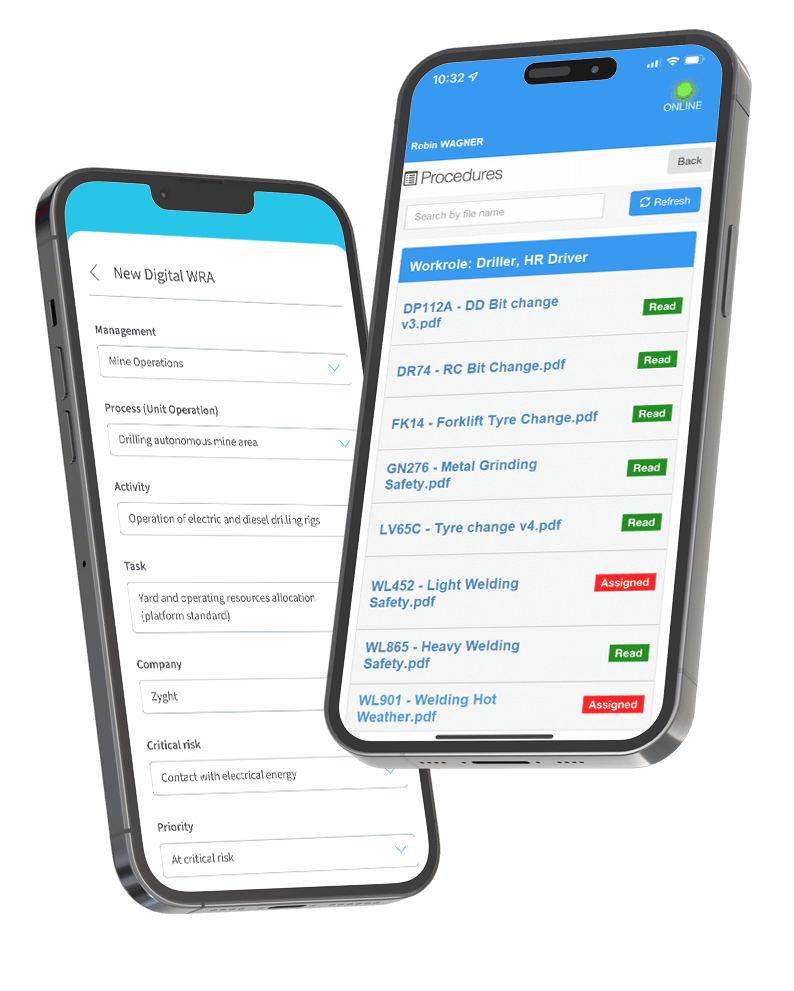
ZYGHT is a cloud-based HSE platform that manages incidents, inspections, and corrective actions in high-risk sectors . By tracking operational disruptions and risk signals, organizations gain insights into process inefficiencies that may also impact energy use and emissions .
When incident trends or equipment failures are visible in real time, companies can:
- Identify inefficiencies linked to excess fuel or energy consumption
- Track corrective actions that support emissions reduction
- Align safety, performance, and climate objectives
This integration transforms decarbonisation software for industry into a strategic performance tool, not just a reporting system.
From Compliance to Climate Strategy
Basic environmental compliance focuses on meeting legal thresholds. Climate strategy requires forward-looking action plans, emissions reduction projects, and transparent disclosures.
By combining iSystain’s carbon and ESG data management with ZYGHT’s operational insights, industrial organizations gain:
- Continuous visibility into emissions drivers
- Structured tracking of reduction initiatives
- Data-informed prevention of inefficiencies
- Stronger credibility with regulators and investors
The result is a measurable pathway from compliance to decarbonisation leadership.
Ready to move beyond spreadsheets and manual carbon tracking?
Implement decarbonisation software for industry that connects emissions data with operational performance and supports your transition strategy.
Frequently Asked Questions
What is decarbonisation software for industry?
Decarbonisation software for industry is a digital platform that centralizes emissions data, manages Scope 1, 2 and 3 calculations, and supports climate reporting and reduction planning.
How can companies manage Scope 1, 2 and 3 emissions effectively?
Companies can manage Scope 1, 2 and 3 emissions by using structured carbon accounting systems aligned with the GHG Protocol and integrating emissions data with operational performance insights.
Why is linking operational data to carbon performance important?
Linking operational data to carbon performance helps identify inefficiencies, supports corrective actions, and enables data-informed prevention strategies that improve both sustainability and productivity.