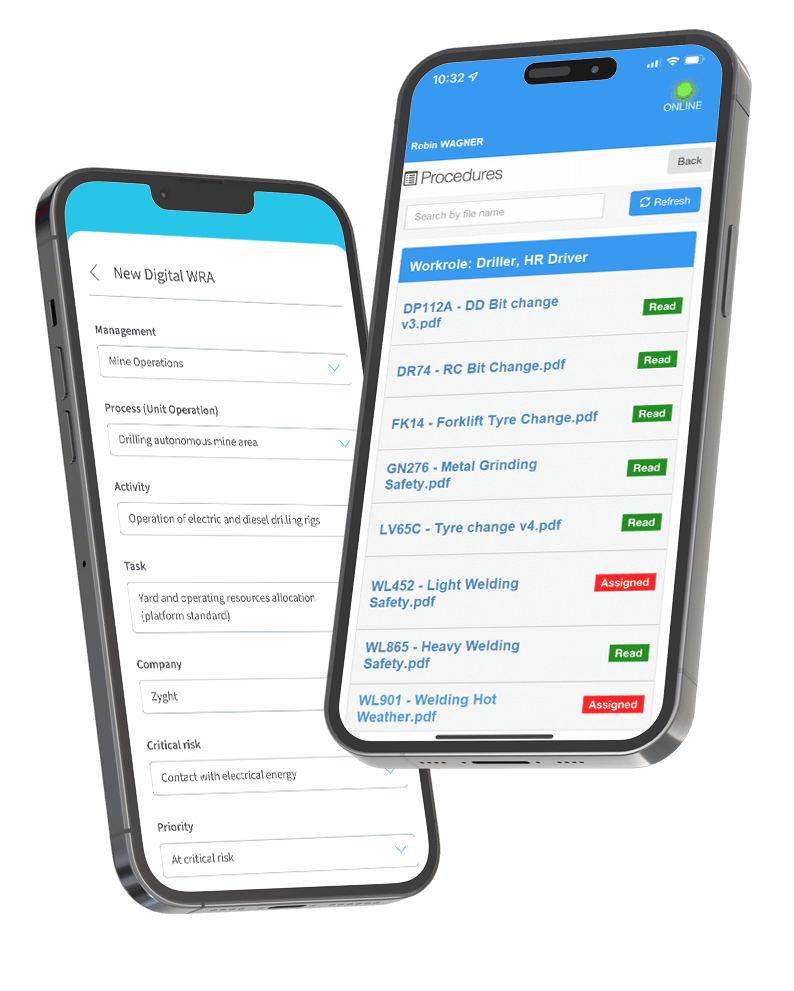

In today’s ESG landscape, supply chains are where the highest risks—and opportunities—reside. Yet, many companies still struggle with ESG materiality in supply chains. Spreadsheets, inconsistent data, and generic supplier surveys often result in vague reports and weak responses to investors, regulators, and internal stakeholders.
iSystain changes this. As a leading ESG software for suppliers, iSystain provides a structured, traceable way to understand, manage, and report on material sustainability issues across your supplier network.
What Is ESG Materiality in Supply Chains?
ESG materiality in supply chains identifies where risks concentrate—like Scope 3 emissions, safety incidents, or forced labor—and assesses their relevance to your business and stakeholders. Getting it right requires:
- A centralized, ESG-aware supplier register
- Risk-based supplier classification
- Configurable KPIs aligned to material topics
- Integrated compliance and audit workflows
- Scalable ESG data collection beyond Tier 1
Learn how iSystain enables this through its Supplier Management and Reporting platform.
Common Pitfalls—and How iSystain Solves Them
1. Treating All Suppliers Equally
Without risk-based classification, companies waste resources surveying low-risk vendors while missing red flags in critical regions or categories.
iSystain Solution:
The Supplier Register lets you classify and prioritize suppliers by ESG risk, project linkage, and geography.
2. Relying on Spreadsheets for Materiality
Spreadsheets obscure trends and are hard to audit.
iSystain Solution:
All supplier data—Scope 3, compliance, audits, KPIs—is centralized, auditable, and report-ready. Power BI dashboards visualize key risks and supplier performance.
3. Focusing Only on Carbon—or Tier 1
Carbon is critical, but ESG materiality spans labor, biodiversity, corruption, and more. And many risks sit in lower-tier suppliers.
iSystain Solution:
iSystain supports a wide supply chain materiality assessment across environmental, social, and governance indicators—including Scope 3 Category 1 data collection.
4. No Link Between Material Issues and Governance
Without connection to policies, audits, or compliance actions, materiality lacks accountability.
iSystain Solution:
Material topics are linked to governance records, audit schedules, and action plans—ensuring traceability and regulatory alignment.
5. Collecting Data, But Not Acting on It
Data alone doesn’t improve performance. The loop must close.
iSystain Solution:
The Action Manager and Audit modules help track non-compliances, assign corrective actions, and link incidents to ESG metrics.
Operationalizing ESG Materiality with iSystain
- Build a Supplier Register – Centralize supplier profiles, ESG classifications, and project links.
- Define KPIs & Surveys – Tailor questionnaires and thresholds to specific risks and contexts.
- Engage at Scale – Use the secure Supplier Portal for submissions and history tracking.
- Centralize & Analyze – View ESG data per supplier in a single dashboard.
- Report & Act – Integrate supplier data into ESG reports aligned to GRI, SASB, and TCFD standards.
Move From Guesswork to Governance
If your supply chain ESG strategy still relies on one-off surveys and spreadsheet gymnastics, it’s time to upgrade. iSystain transforms ESG materiality in supply chains into a strategic, auditable, and performance-driven process.
Book a demo with our team to see how iSystain can help structure your supplier ESG governance and Scope 3 data today.